Compartmentation surveys with photographic reporting
Where your compartment lines are meant to run, whether they still do, and what it will cost to put right the places they do not. It is the piece of work everything else depends on.

Without a survey, remedial work is guesswork.
A fire risk assessment will usually note that compartmentation should be verified. It rarely verifies it, because verifying it means opening things up.
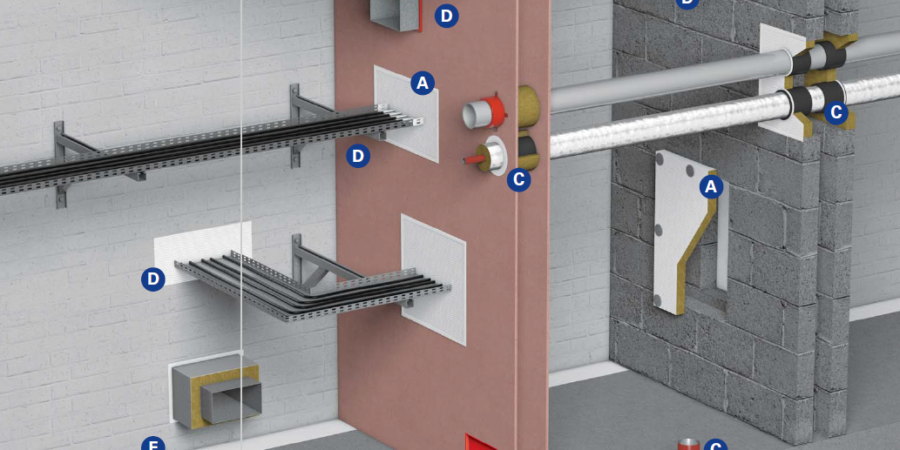
We work through the building against your drawings, opening the accessible ceiling voids, risers and plant areas, and record the condition of every compartment line we can reach: walls, floors, service penetrations, fire doors, dampers and cavity barriers. Where areas cannot be accessed without disruption, we say so in the report rather than leaving a silent gap.
The result is a document you can hand to a fire risk assessor, an insurer or building control — and price remedial works from.
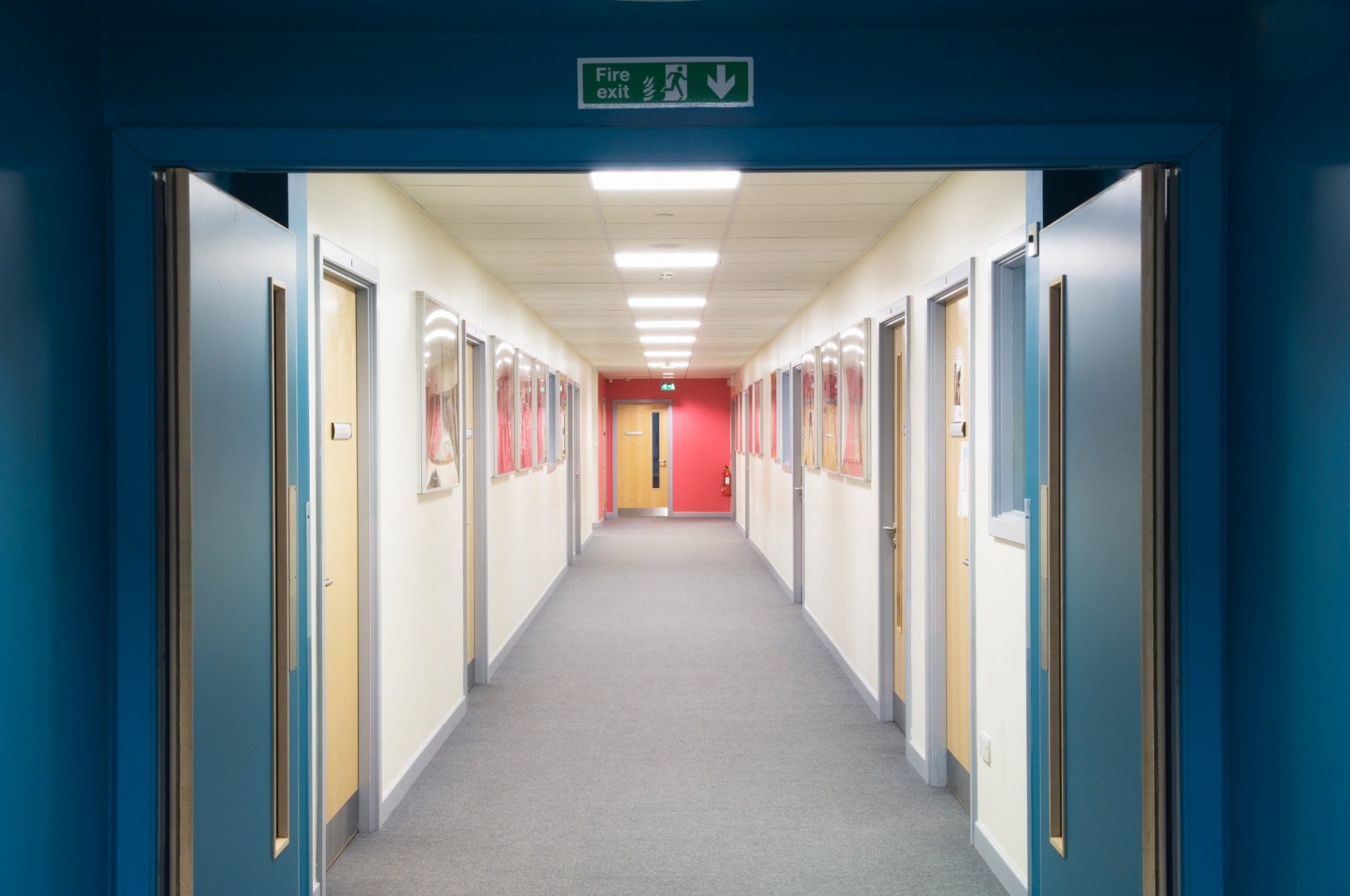
A report you can act on, not a list of concerns.
Every survey produces the same five things, whether it covers one riser or an entire portfolio.
Photographed, located, rated.
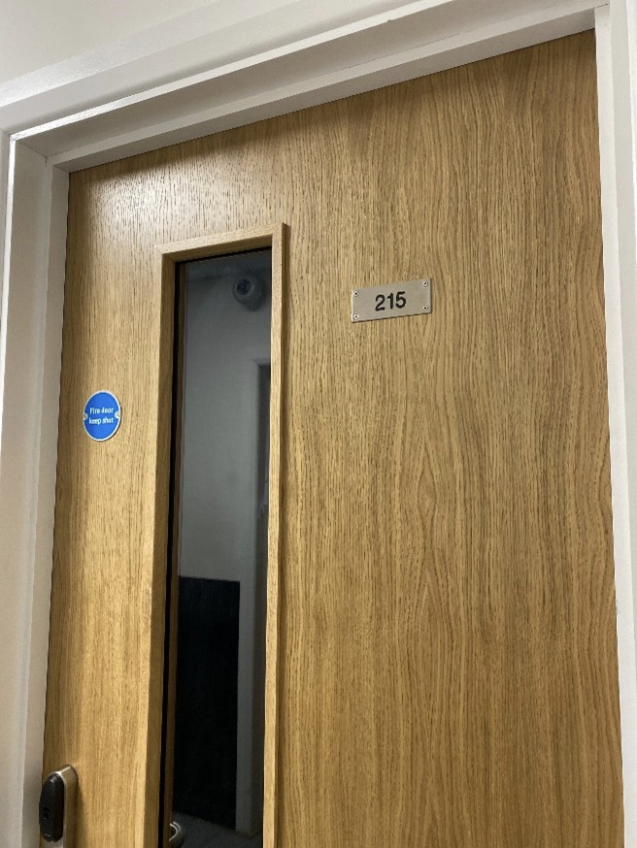
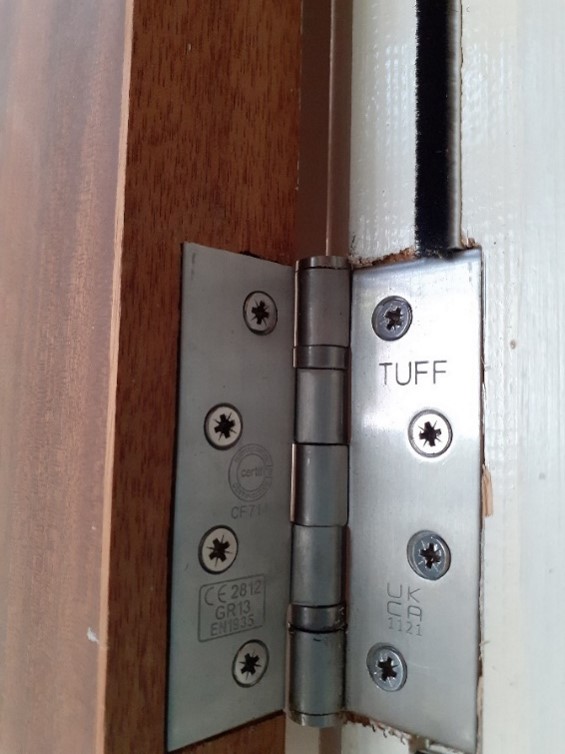
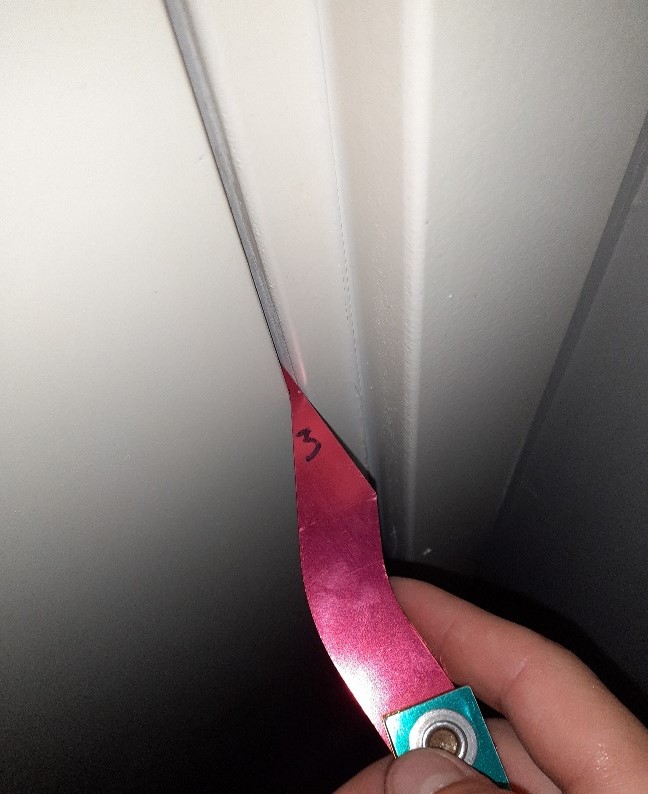
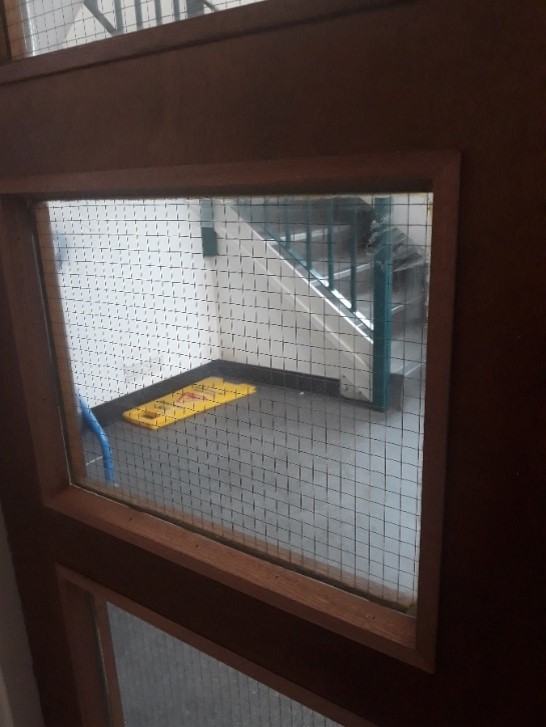
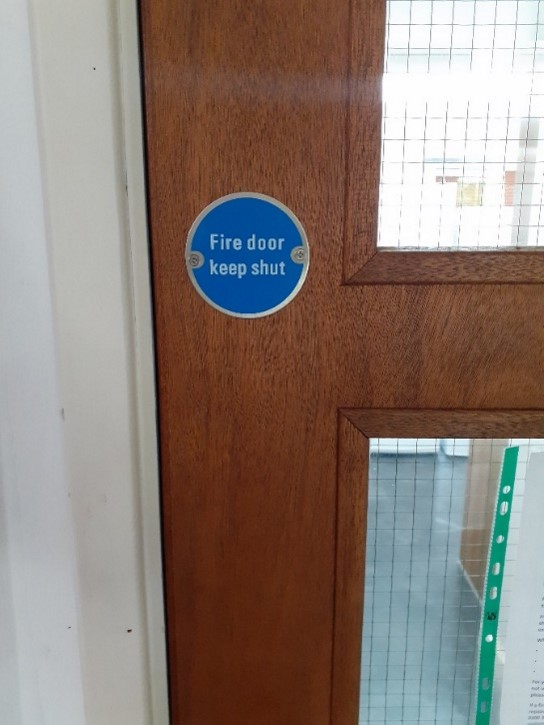
Every item in the schedule carries an image like these. It is the difference between a report that gets acted on and one that gets filed.
Why this matters more than it used to.
The Building Safety Act and the Fire Safety (England) Regulations 2022 changed what a responsible person is expected to hold. It is no longer enough to believe your compartmentation is sound — you are expected to be able to show it.
That means current information about the building's fire protection measures, the golden thread of information, Regulation 38 fire safety information at handover, and evidence that defects found have actually been put right. A dated survey with photographic evidence and a documented remedial programme is how that expectation is met in practice.